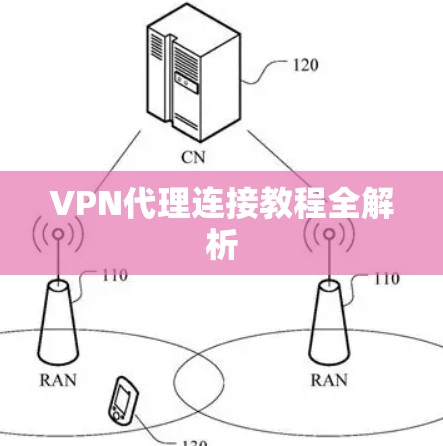

Definition and Purpose: PAAC, or Private Internet Access Accessible via a Client, is a security measure designed to allow users to access the internet from a private network without their computer knowing who is accessing it. This is particularly useful for businesses wanting to protect their internal networks while enabling public access to the internet.
Implementation: PAAC can be implemented through various versions, including Basic, Enhanced, and Advanced, each offering different features in terms of encryption, support for new browsers, and advanced security measures. This flexibility allows users to choose the level of security that best meets their needs.
Security Considerations:
- Privacy Protection: Users may not realize they are accessing the internet, enhancing privacy.
- Encryption: Enhanced versions often include encryption to protect data transmission.
- Legal Compliance: PAAC must adhere to IPsec regulations to ensure secure and private connections.
User Experience: PAAC simplifies internet access, making it easier for users to access the public internet while protecting their privacy. It complements regular browsers for public purposes but enhances privacy for private use.
Comparison with Other Solutions: While PAAC focuses on enabling access, it does not protect the internet itself. Other security tools, like VPNs, block access outside a specific network, whereas PAAC allows access from a private network without revealing the user's identity.
Conclusion: PAAC is a versatile tool that bridges the gap between private and public internet access, offering a secure and privacy-enhancing experience for users. Its implementation can vary, offering different levels of security and features to suit various needs.
 乌鱼
乌鱼